
Where Maintenance Goes Wrong
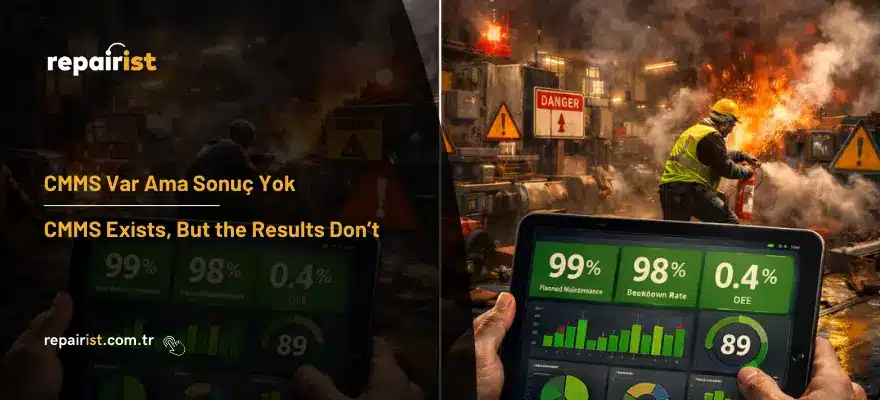
Many organizations invest in a CMMS with high expectations. Maintenance processes are digitalized, work orders are created, and dashboards start filling with numbers. Yet on the shop floor, the reality looks very different. Breakdowns still occur. Backlogs grow silently. Maintenance teams remain reactive, despite “planned” schedules. So what’s going wrong? The uncomfortable truth is this: The problem is rarely the CMMS itself. It’s how it’s implemented and used.

1. A CMMS Is Installed, But Not Structured
One of the most common mistakes is treating CMMS installation as a technical task rather than an operational design process.
- Assets are imported without hierarchy
- Maintenance plans are copied without review
- Work orders lack standard fields and definitions
As a result, the system exists — but it doesn’t reflect reality.
Without a clear structure, the CMMS becomes a digital storage space instead of a management tool.
2. Work Orders Are Closed, Not Completed
In many facilities, work orders are closed to “clean the screen,” not because the job is truly done.
- No verification steps
- No required comments or evidence
- No accountability at execution level
A closed work order does not always mean completed maintenance. And when execution is not verified, reporting becomes misleading.
3. KPIs Look Good, But Tell the Wrong Story
Dashboards show high completion rates and green indicators. But production teams still complain. Failures still repeat. Why? Because KPIs are built on weak or incomplete data. If work orders are rushed, copied, or inaccurately closed, KPIs lose their meaning.Decisions based on such data only reinforce the wrong actions.
4. The System Never Reaches the Field
A CMMS that stays in the office cannot manage maintenance. When technicians see CMMS as extra paperwork rather than a daily tool:
- Data quality drops
- Execution discipline disappears
- Resistance quietly grows
Real value comes when CMMS supports technicians in the field — not when it only serves reporting needs.
CMMS Is Not the Solution. Operational Discipline Is.
CMMS is a powerful enabler — but only when combined with:
- Proper system design
- Field-level execution control
- Meaningful data collection
Digitalizing broken processes does not fix them. It only makes the problems harder to see.

Next Steps
Have you received sufficient information about “CMMS Exists, But the Results Don’t”
repairist is here to help you. We answer your questions about the Maintenance Management System and provide information about the main features and benefits of the software. We help you access the repairist demo and even get a free trial.
Aybit Technology Inc.