Why Is Reactive Maintenance Still So Common and What Does It Really Cost?
Reactive maintenance—an approach where action is taken only after equipment fails—remains widely practiced in many organizations despite modern maintenance management principles. Even though digital maintenance solutions and CMMS systems are becoming increasingly common, the habit of reactive maintenance continues to create serious operational and financial costs.
So why is reactive maintenance still so widespread, and what is its true cost to organizations?

What Is Reactive Maintenance?
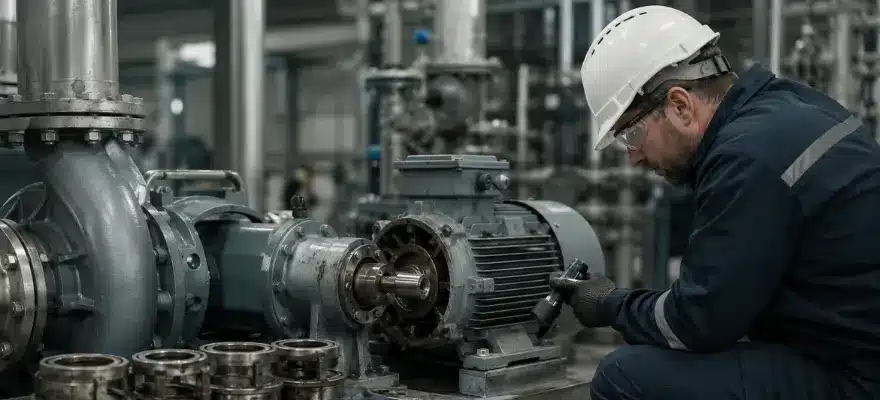
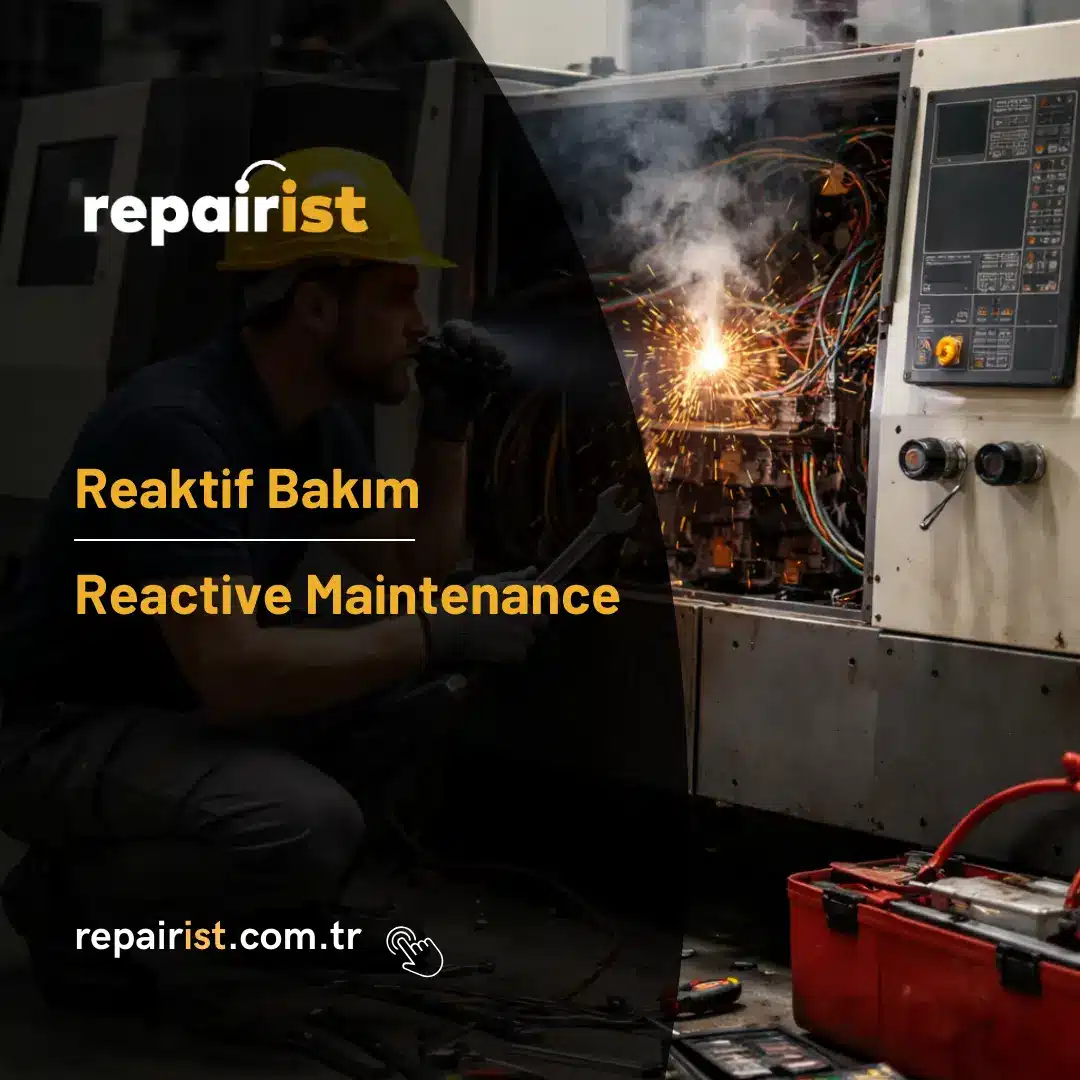
Reactive maintenance refers to maintenance activities carried out after equipment has already failed, without any prior planning or preventive action. In this approach, maintenance teams operate in constant firefighting mode. Maintenance activities are largely driven by emergencies.
Short-Term Mindset
At first glance, it is perceived as requiring less planning and lower initial cost. However, this approach ignores long-term risks and hidden costs.
Lack of Maintenance Data
In many organizations, maintenance history, failure records, and equipment performance data either do not exist or are stored in fragmented systems. Without a CMMS, data-driven decision-making becomes almost impossible.
Organizational Culture and Habits
The mindset of “this is how we have always done it” is one of the biggest barriers to transforming maintenance strategies. Over time, reactive maintenance becomes a normalized way of working.
The Real Cost of Reactive Maintenance to Organizations
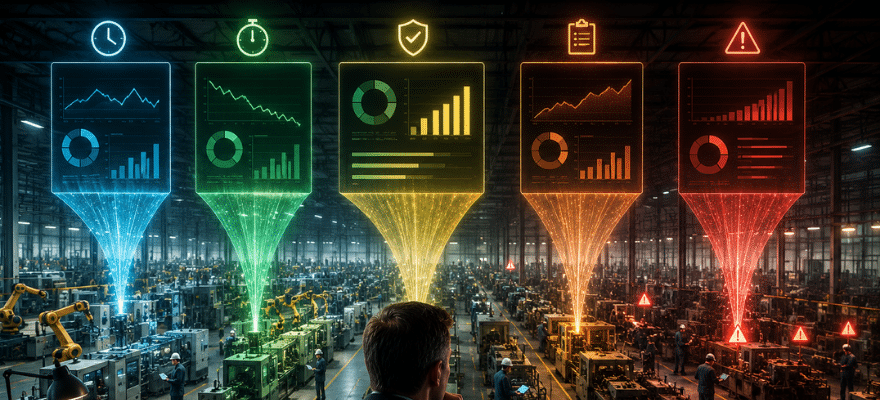
Unplanned Downtime and Production Losses
Unexpected failures cause production lines to stop and lead to delivery delays. This directly results in revenue loss.
High Maintenance and Spare Parts Costs
Emergency interventions are usually more expensive. Unplanned purchases, express spare parts procurement, and overtime costs increase rapidly.
Reduced Equipment Lifespan
Equipment operated until failure suffers larger and often irreversible damage over time. This leads to early equipment replacement investments.
Occupational Safety and Quality Risks
Sudden failures increase occupational safety risks. They also cause quality deviations in production processes and lead to customer complaints.
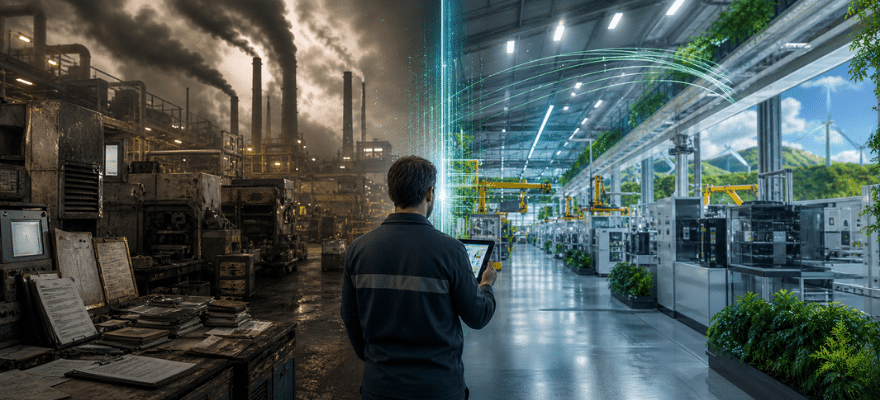
The Key to Transitioning from Reactive to Planned Maintenance: CMMS
A modern CMMS is one of the most effective ways to break the reactive maintenance cycle. With a CMMS, organizations can:
- Track failure and maintenance history centrally
- Create preventive maintenance plans
- Analyze downtime causes
- Measure and improve maintenance KPIs
As a result, maintenance shifts from being a cost center to becoming a strategic business function.
Although it seems easy short term, reactive maintenance creates significant long term costs for organizations. Digital maintenance management helps organizations move away from reactive maintenance practices. Using a CMMS breaks this cycle and enables structured maintenance planning. This approach builds a sustainable, predictable, and efficient maintenance structure.

Next Steps
Have you received sufficient information about “Reactive Maintenance”
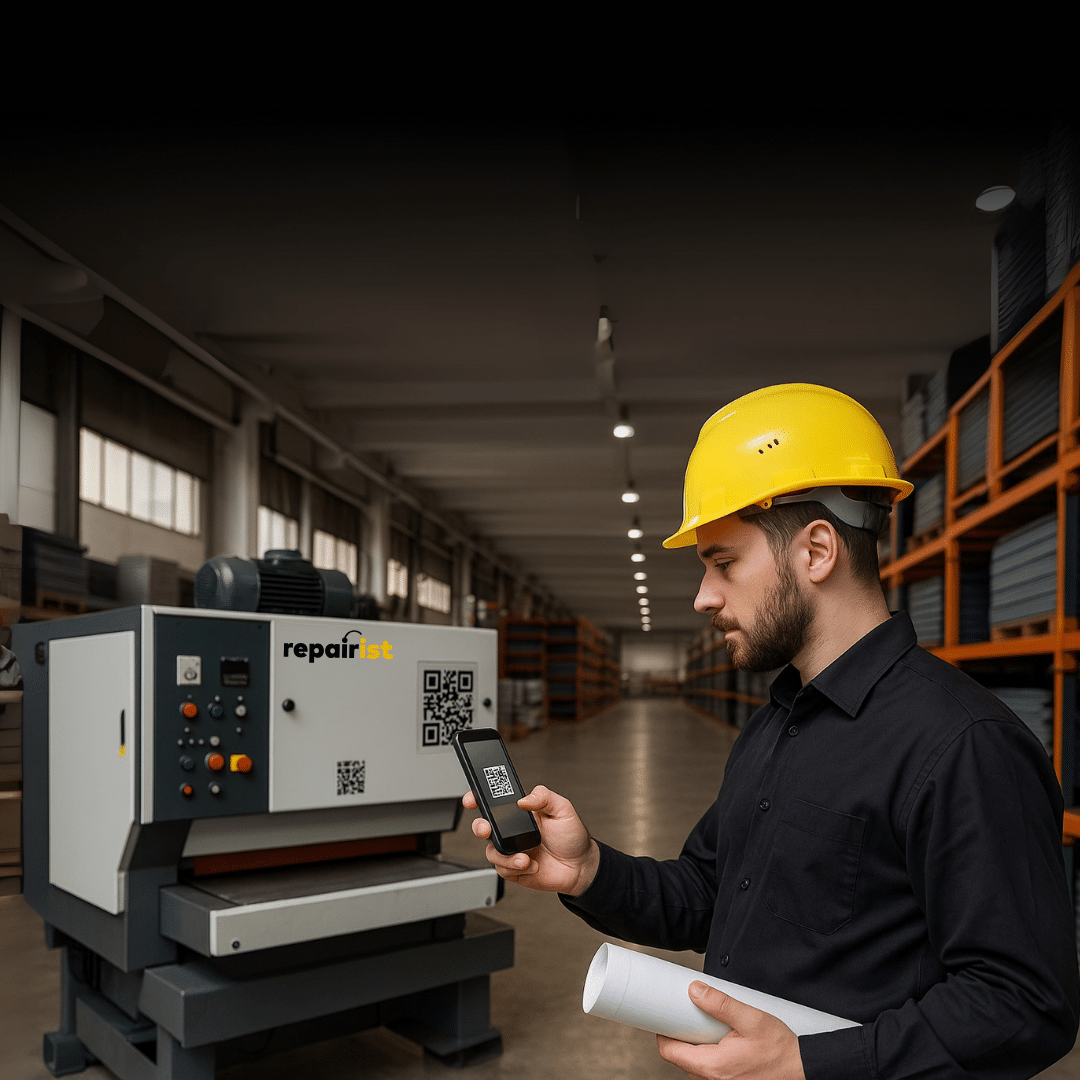
repairist is here to help you. We answer your questions about the Maintenance Management System and provide information about the main features and benefits of the software. We help you access the repairist demo and even get a free trial.
Aybit Technology Inc.