
A Paradigm Shift in Maintenance
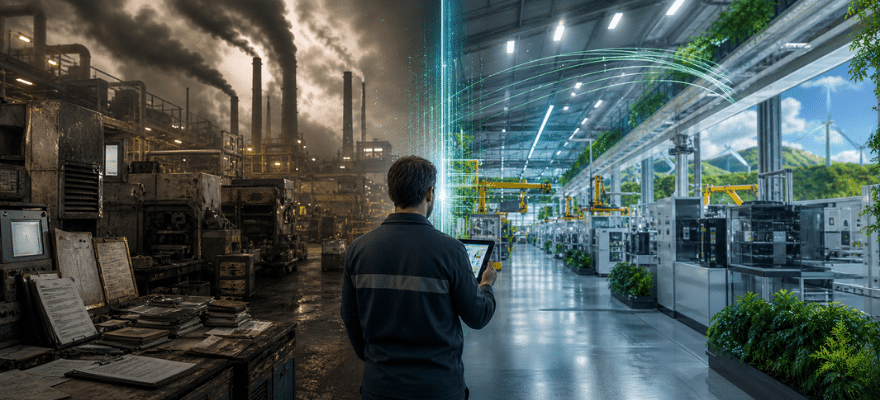
For years, the success of maintenance departments was measured by machine uptime. However, with the rise of Industry 5.0 and the climate crisis, a critical new dimension has been added to this metric: sustainability.
Today, it is no longer sufficient for an asset to simply operate. It is equally important to understand:
- how much energy it consumes,
- how much waste it generates,
- and how much it contributes to the organization’s carbon footprint.
Modern maintenance management Sustainable Maintenance must now go beyond fixing failures and actively develop strategies that also protect the planet.

What is Sustainable Maintenance?
A proactive approach that balances technical, economic, and environmental factors, aiming to minimize natural resource consumption throughout the entire lifecycle of assets.
What is Green Maintenance?
It is a discipline that focuses on reducing hazardous waste, promoting recycling, and improving energy efficiency within maintenance processes.
What is ESG (Environmental, Social, and Governance)?
These are global criteria that measure a company’s sustainability performance and determine its value in the eyes of investors.
Industry Agenda and Regulations
Sustainable maintenance is no longer just a “corporate image” effort; it is also becoming a legal obligation:
- Green Deal and Carbon Tax
For companies trading with the European Union, documenting carbon emissions will soon become a customs requirement. - ISO 55001 and ISO 50001
Asset and Energy Management standards require maintenance processes to be integrated with energy efficiency. - Circular Economy
Instead of scrapping parts, including them in “re-manufacturing” processes is now a key agenda item.
3 Main Causes of Energy Loss
Energy inefficiency in a facility is usually caused by the following maintenance issues:
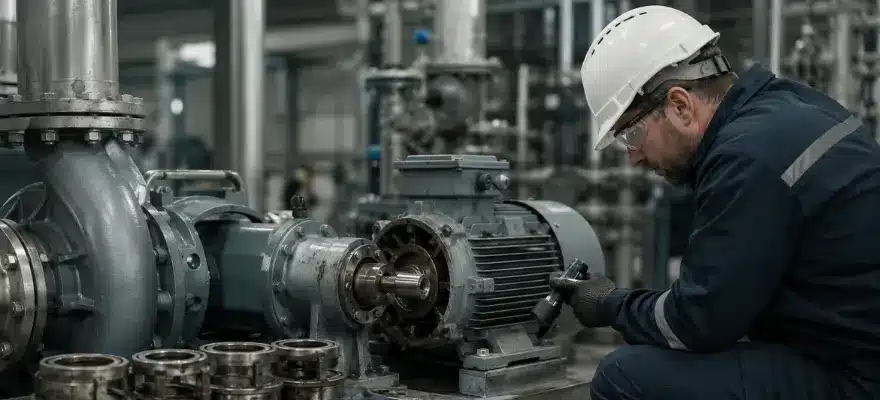
- Mechanical Friction: Incorrect lubrication or worn bearings can cause motors to draw up to 15% more energy than their rated current.
- Thermal Losses: Poor insulation maintenance leads to massive heat losses in furnaces and boilers.
- Fluid Leakages: A 1 mm leak in compressed air systems can result in thousands of kWh of unnecessary energy consumption per year.
Strategic Comparison Table
| Criteria | Reactive Maintenance | Sustainable Maintenance | Impact Analysis |
|---|---|---|---|
| Energy Consumption | Uncontrolled / High | Real-time monitoring / Optimized | 10% – 20% savings |
| Spare Parts Lifespan | Early or late replacement | Data-driven (Maximum lifespan) | 30% less waste |
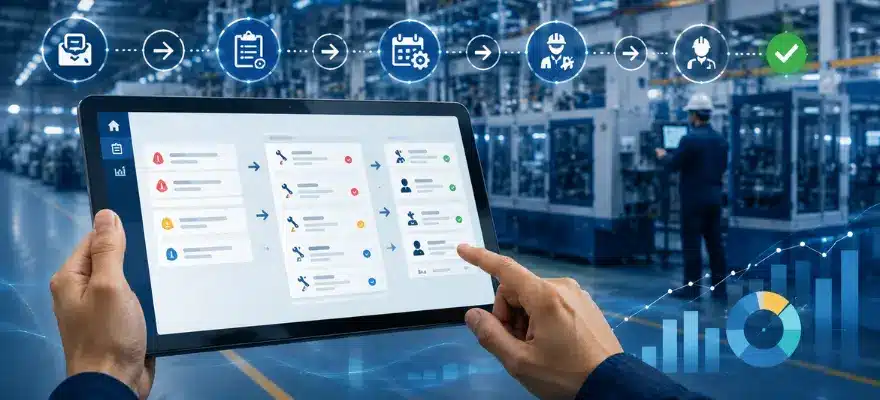
| Documentation | Paper-based, heavy archiving | 100% Digital / Cloud-based | Zero paper waste |
| Logistics / Routing | Unplanned movement | Optimized technician routing | Lower CO₂ emissions |
Repairist CMMS: Turning Sustainability into Data
Managing sustainability without a digital Maintenance Management System (CMMS) is like navigating without a compass. Repairist makes this process tangible as follows:
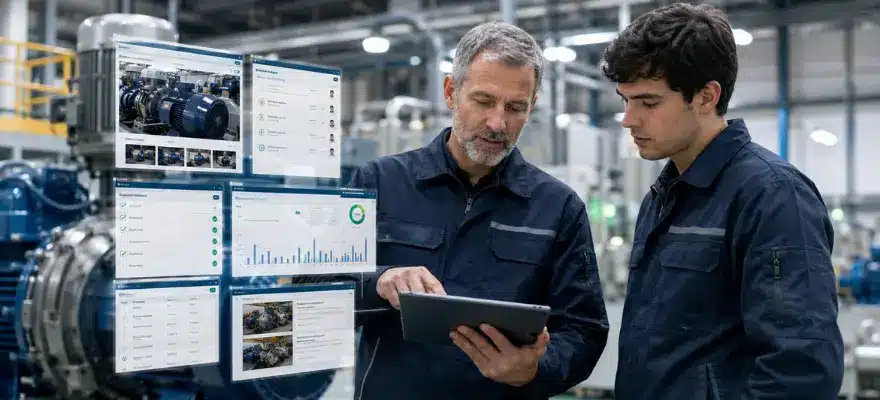
- Energy-Focused Work Orders: By adding energy meter data to work orders, you can prove efficiency improvements after maintenance.
- Asset Lifecycle Analysis (LCC): You can report when equipment reaches the end of its economic life and when it becomes an “energy-intensive asset.”
- Predictive Maintenance Integration: By transferring vibration and thermal analysis data into Repairist, you can intervene before machines overheat (thus avoiding energy waste).
- Digital Waste Tracking: By tracking the disposal processes of replaced oils and filters through the system, you ensure 100% compliance with environmental regulations.
Sustainability is not just about installing solar panels; it is about managing existing assets in the most intelligent way. With Repairist, digitalized maintenance operations transform your business into not only a profitable production center but also an organization that respects future generations.
Next Steps
Have you received sufficient information about “Sustainable Maintenance Management”?
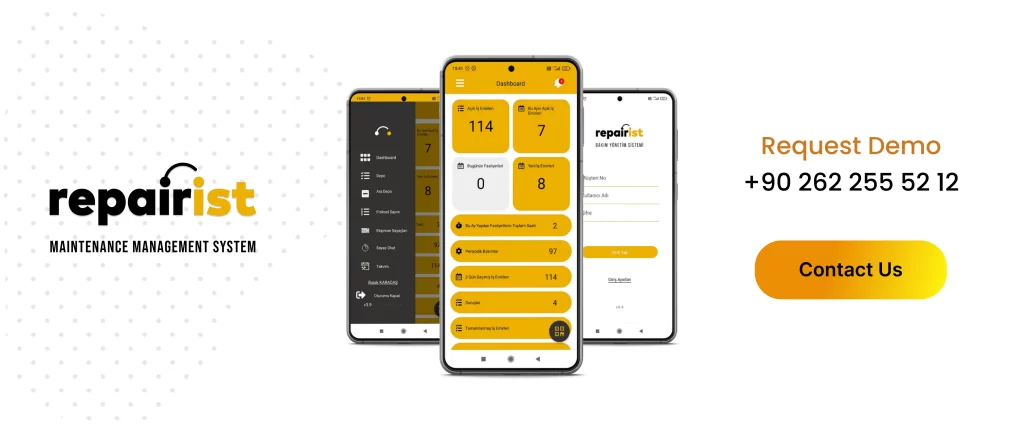
repairist is here to help you. We answer your questions about the Maintenance Management System and provide information about the main features and benefits of the software. We help you access the repairist demo and even get a free trial.
Aybit Technology Inc.
Frequently Asked Questions (FAQ)
No. On the contrary, energy savings of around 15% and extended equipment lifespan ensure that the investment (ROI) pays back very quickly.
By switching to digital work orders to eliminate paper waste, optimizing technician routes, and most importantly improving the energy efficiency of machines.
The digital records in the system provide transparent data on energy savings, waste management, and resource efficiency.